Studio Headphones
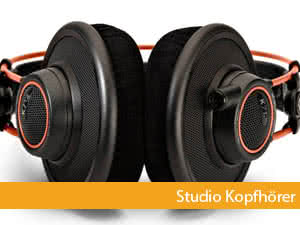
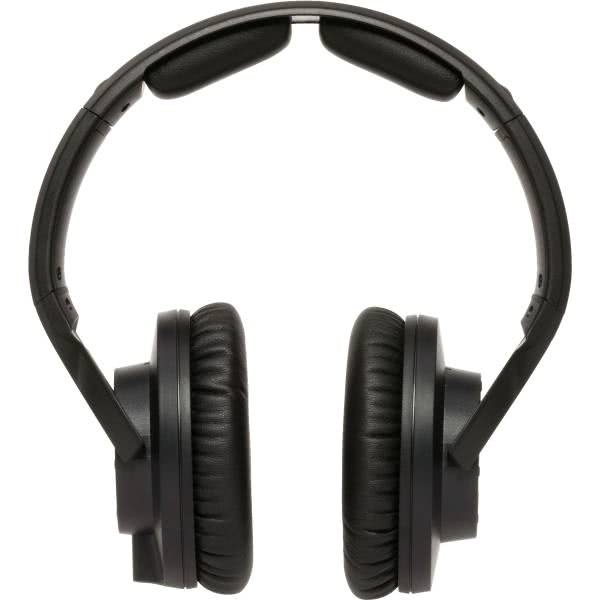
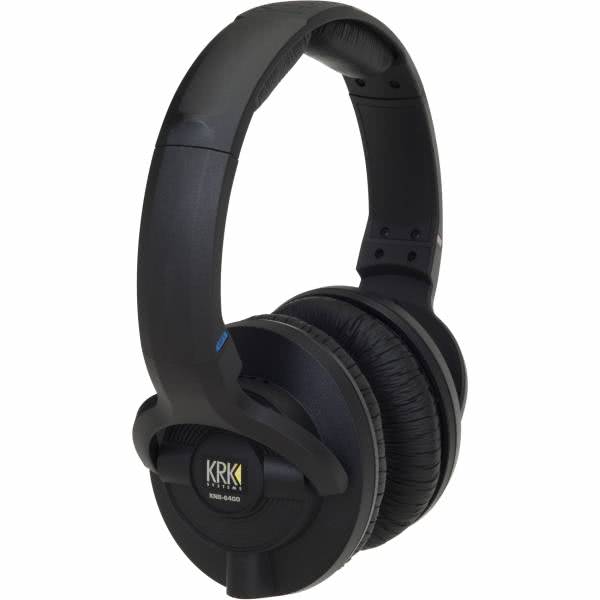
Whether you’re producing music, podcasting or doing sound design – high-quality studio headphones are part of the essential gear in every recording studio. Unlike ordinary everyday headphones, they deliver as neutral a sound reproduction as possible and let you judge even the finest details in your mix precisely. If you work professionally with audio or simply want honest sound without colorization, you need real studio headphones.
Table of Contents
- What are studio headphones?
- Who are studio headphones for?
- Buying guide: What matters in studio headphones?
- Brands in focus: Quality from Sennheiser, Neumann, Roland, Yamaha
- Models for beginners
- Models for advanced users
- Models for experienced users/pros
- Strengths and special features of the manufacturers
- Frequently asked questions about studio headphones (FAQ)
- Buying tips for beginners and advanced users
- The right studio headphones for your requirements
Average rating of 4.7 out of 5 stars
Average rating of 4.5 out of 5 stars
Average rating of 5 out of 5 stars
Average rating of 4.5 out of 5 stars
Average rating of 5 out of 5 stars
Average rating of 4.3 out of 5 stars
Average rating of 4.6 out of 5 stars
Average rating of 5 out of 5 stars
Average rating of 4 out of 5 stars
Average rating of 5 out of 5 stars
Average rating of 3 out of 5 stars
Average rating of 5 out of 5 stars
What are studio headphones?
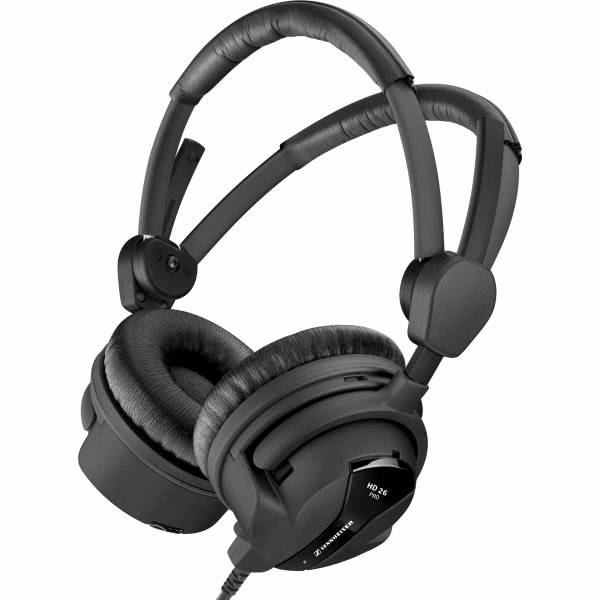
Studio headphones are precision-engineered audio devices designed specifically for professional use in the recording studio. You use them for mixing, recording and monitoring, and they stand out for their especially linear sound reproduction. Compared to classic DJ headphones, which often emphasize the bass range and offer high maximum volume, studio headphones prioritize neutrality, fidelity and detail clarity. These characteristics are crucial to assess audio material objectively. When mixing, you ensure every sound source is correctly positioned and balanced. Any distorted or colored sound would lead to wrong decisions in the mix that become apparent on other speaker systems or in the final production. Studio headphones serve as a reliable tool so you can perceive the smallest nuances and level differences and make precise sound-engineering decisions.
Closed vs. open design
With studio headphones, you generally distinguish between three design types: closed, open and semi-open models. Each variant has specific advantages and disadvantages and suits different studio applications.
- Closed design: These headphones are built to shield sound strongly from the outside. That prevents playback from leaking into the microphone – a key advantage for recording. At the same time, they protect against ambient noise, letting you focus even in louder environments.
- Open design: Open studio headphones have perforated ear cups that allow air and sound to escape. This creates a particularly natural sound profile that closely resembles listening on speakers. These models are ideal for mixing and mastering, since they render details more distinctly and create a realistic soundstage. Drawback: they offer little isolation from external noise.
- Semi-open design: These headphones combine features of both worlds. They offer a fairly balanced sound, some openness and moderate isolation. For users who need a flexible solution for various studio tasks, a semi-open model can make sense.
Who are studio headphones for?
Applications
Studio headphones are versatile and come into play in many situations in music and audio work. They are a central tool in any studio environment and support you in numerous tasks:
- Mixing: One of the most important uses. Here, studio headphones help you judge sound details precisely. The linear frequency response enables a realistic assessment of the balance between individual tracks.
- Recording: Especially important for vocal or instrumental recordings. Closed headphones prevent playback from bleeding into the microphone. That keeps the recording clean and uncolored.
- Monitoring: During live recordings or when working with multiple musicians, reliable headphones give you stable control over the signal. You can check levels and effects directly and precisely.
- DJing in the studio: DJs also benefit in the studio from high-quality studio headphones to pre-listen to tracks, test transitions or arrange remixes. The level of detail helps you prepare complex sets.
Differences for beginners, advanced users and pros
- Beginners: If you’re just starting out, focus on good value for money. You need robust models with a balanced sound profile that provide a solid base for your first mixing attempts.
- Advanced users: If you work regularly, you need finer resolution and more comfort. Good isolation and precise high-frequency reproduction are particularly relevant here.
- Pros: Professional studios demand the highest standards. Headphones in this category offer uncompromising sound neutrality, durable materials and fatigue-free use even over long hours.
Buying guide: What matters in studio headphones?
Sound neutrality
An as neutral frequency response as possible is a central feature of studio headphones. The goal is to reproduce all frequency ranges – bass, mid and treble – evenly and without coloration. That way you can assess sound mixes realistically. Emphasizing certain frequency ranges can lead to wrong mixing decisions, for example a boomy bass or harsh highs in the final track. Only headphones with a neutral sound profile let you place sound sources objectively in the mix and work on them professionally.
Wearing comfort
During long studio sessions, poor wearing comfort can disturb your concentration. Therefore, look for an ergonomic design when choosing. Important features include:
- Soft, replaceable ear pads that adapt to your head
- A sturdy, adjustable headband for a custom fit
- Low weight to avoid pressure points during long use
Comfortable headphones are not a luxury but a basic requirement for effective work in the studio.
Impedance
The impedance of headphones determines how much electrical voltage is required to drive them. For use with mobile devices or laptops, choose a low impedance (32–80 Ω). These models need less power and work easily with standard outputs. For professional studio use, especially with a headphone amplifier, higher-impedance models (250–600 Ω) are better, as they provide more dynamics and detail.
Build quality & cable types
In terms of build quality, focus on durable materials and functional design. Key aspects:
- Robust construction with high-quality hinges and reinforced joints
- Rotatable ear cups for flexible use in recording and monitoring
- Detachable, single-sided cables that avoid tangling and are easy to replace if damaged
Well-made studio headphones are an investment that pays off for many years.
Brands in focus: Quality from Sennheiser, Neumann, Roland, Yamaha
Models for beginners
Suitable for home studios, podcasts or your first recording experiences:
![]() | ![]() | ![]() | ![]() | |
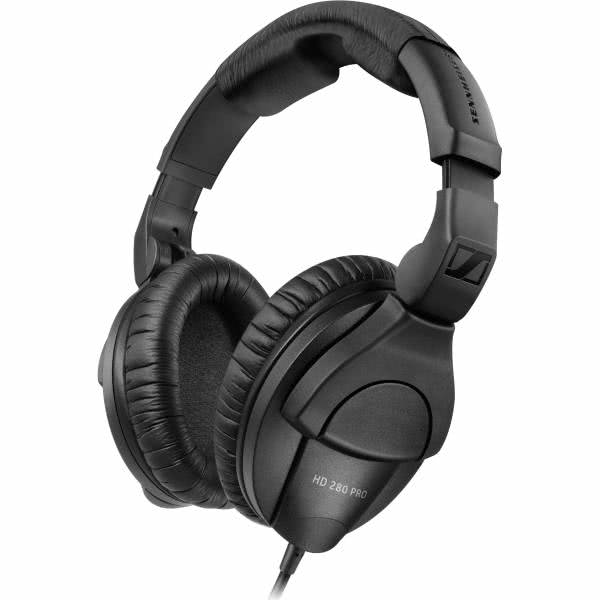
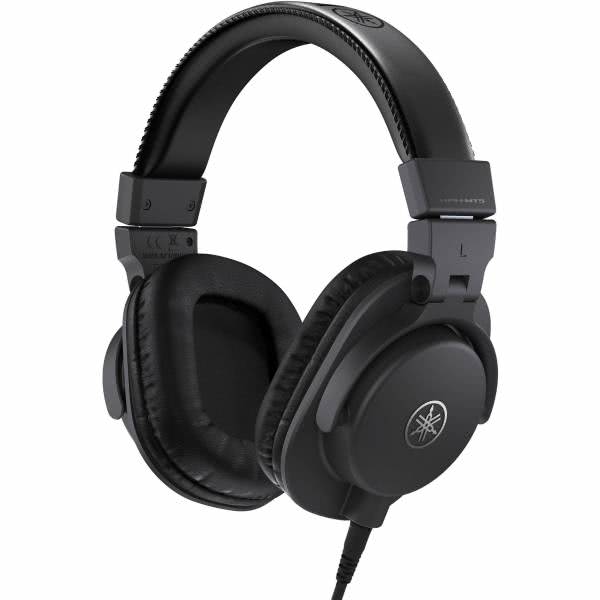
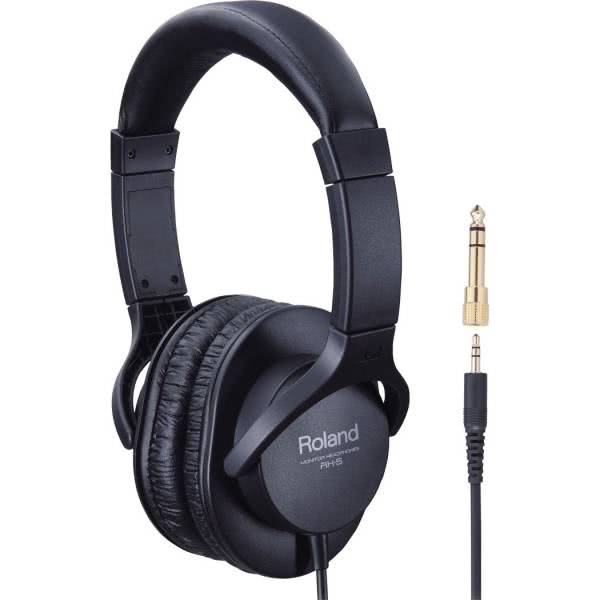
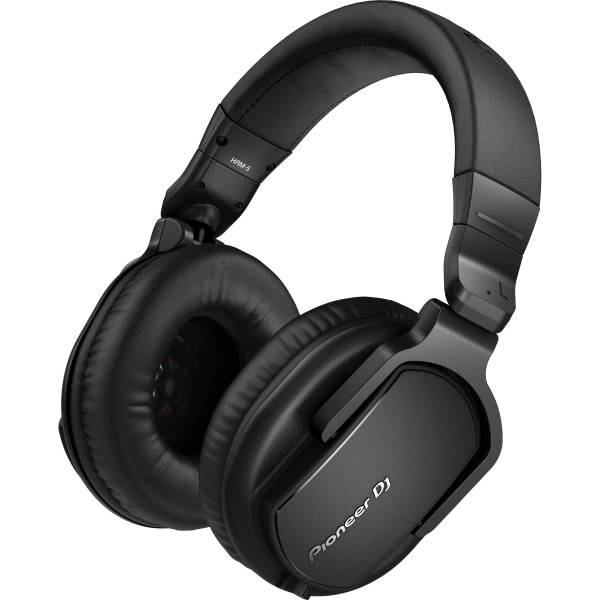
| Product | Sennheiser HD 280 Pro | Yamaha HPH-MT5 | Roland RH-5 | Pioneer DJ HRM-5 |
| Highlights | Durable, affordable, ideal for recording | Compact, lightweight, good entry-level | Very inexpensive, simple start | DJ-oriented, comfortable |
| Price | € 99 | € 161 | € 41 | € 119 |
| Frequency range | 8 Hz – 25 000 Hz | 20 Hz – 20 000 Hz | 10 Hz – 22 000 Hz | 5 Hz – 30 000 Hz |
| Design | Closed | Closed | Closed | Closed |
| Sound character | Neutral, bass-light | Clear, solid bass | Bass-heavy, compact | Clear, bass-friendly |
| Impedance | 33–80 Ω | 33–80 Ω | 1–32 Ω | 32 Ω |
| Weight | 377 g (with cable), 273 g (without cable) | 250 g (without cable) | 190 g (without cable) | 260 g (without cable) |
| Application | DJ, studio | Home recording | Beginners | DJ, recording |
Models for Advanced Users
Ideal for regular mixing, recording and monitoring:
![]() | ![]() | ![]() | ![]() | |
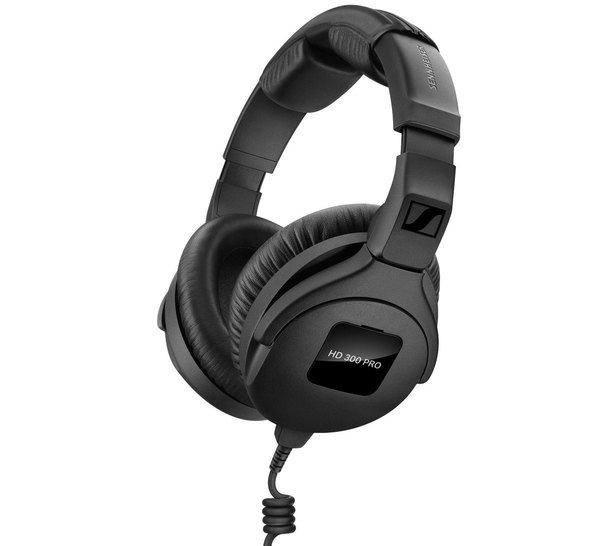
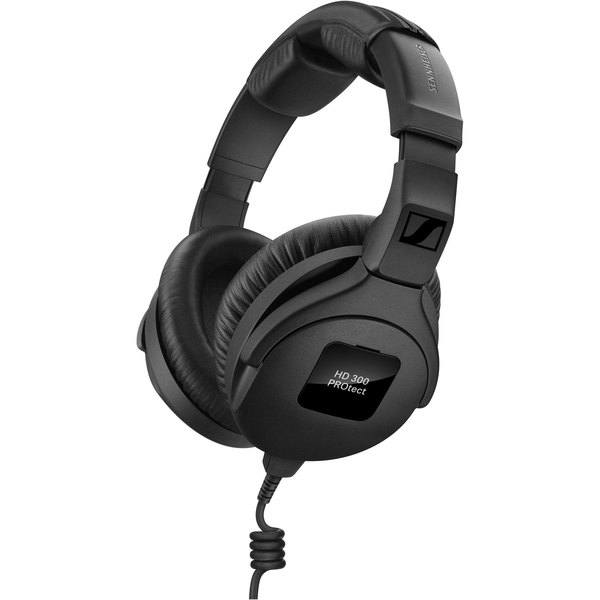
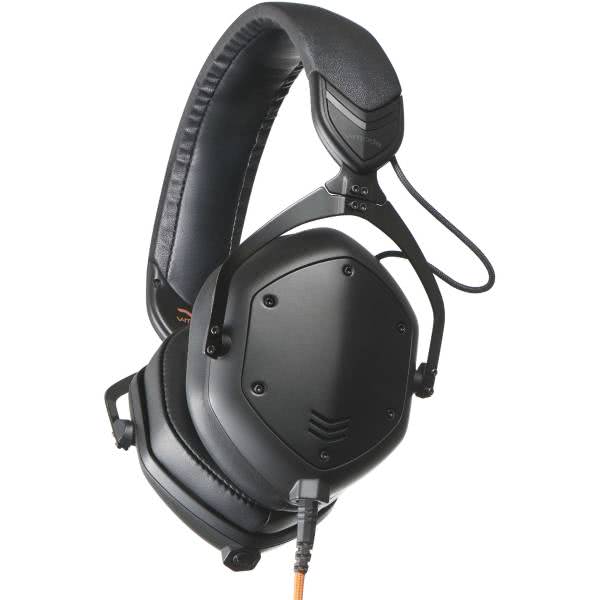
| Product | Sennheiser HD 300 Pro | Yamaha HPH-MT8 | Roland V-Moda M-200 ANC | Pioneer DJ HRM-7 |
| Highlights | High isolation, professional precision | Studio standard, high-quality build | Noise cancelling, portable | Wide soundstage, precise mixing |
| Price | €199 | €322 | €545 | €219 |
| Frequency range | 6 Hz – 25,000 Hz | 15 Hz – 28,000 Hz | 5 Hz – 40,000 Hz | 5 Hz – 40,000 Hz |
| Design | Closed | Closed | Closed | Closed |
| Sound character | Clear, detailed | Balanced, analytical | Modern, with ANC | Open-sounding, accurate |
| Impedance | 33–80 Ω | 33–80 Ω | 30 Ω | 45 Ω |
| Weight | 297 g (without cable) | 350 g (without cable and plug) | 320 g (without cable) | 330 g (without cable) |
| Use case | Recording, mixing | All-round use | Mobile, studio | Mixing, mastering |
Models for Experienced Users/Professionals
For critical listening, mastering and detailed audio evaluation:
![]() | ![]() | |
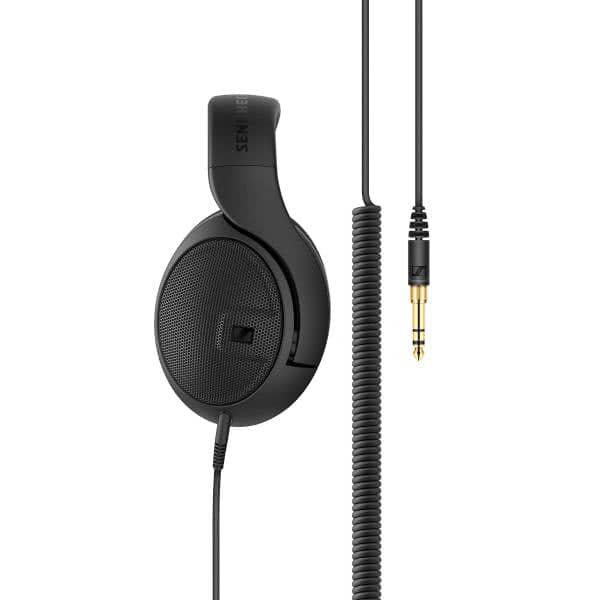
| Product | Sennheiser HD 490 PRO Plus | Neumann NDH 30 |
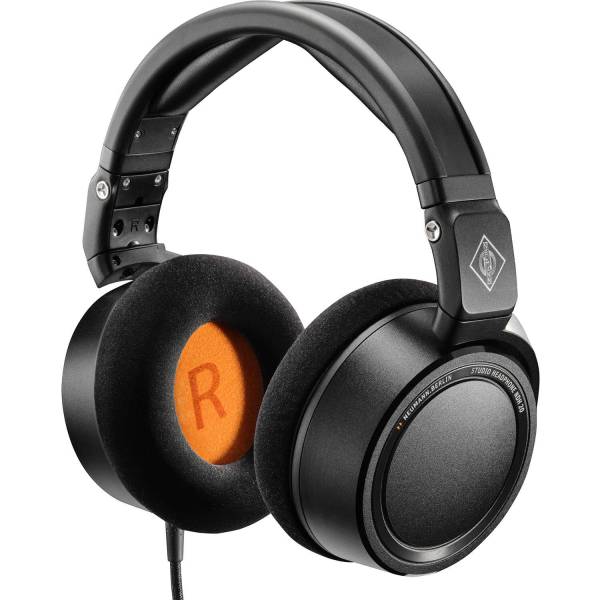
| Highlights | 3D audio capability, precise spatial imaging | Open design, reference class |
| Price | €479 | €679 |
| Frequency range | 5 Hz – 36,100 Hz | 12 Hz – 34,000 Hz |
| Design | Open | Open |
| Sound character | Natural, high-resolution | Extremely precise |
| Impedance | 130 Ω | 81–250 Ω |
| Weight | 260 g (without cable) | 352 g (without cable) |
| Use case | Recording, mixing | Mixing, mastering |
Strengths and Special Features of the Manufacturers
- Sennheiser: The German manufacturer stands for reliability, decades of experience and a balanced sound character. Their headphones feature robust construction, good value for money and versatile applications—whether in a home studio or a professional environment.
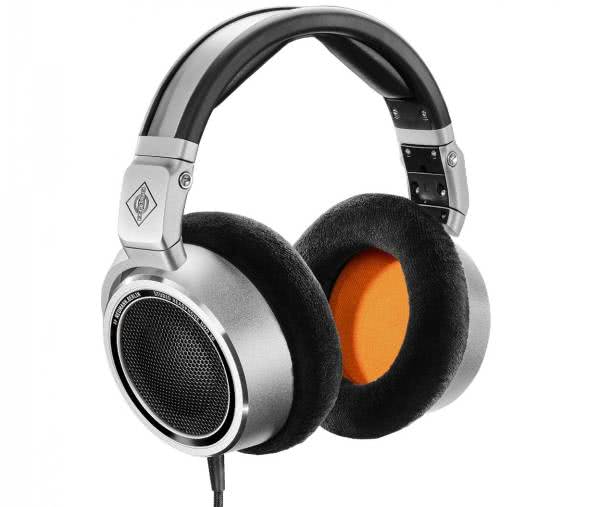
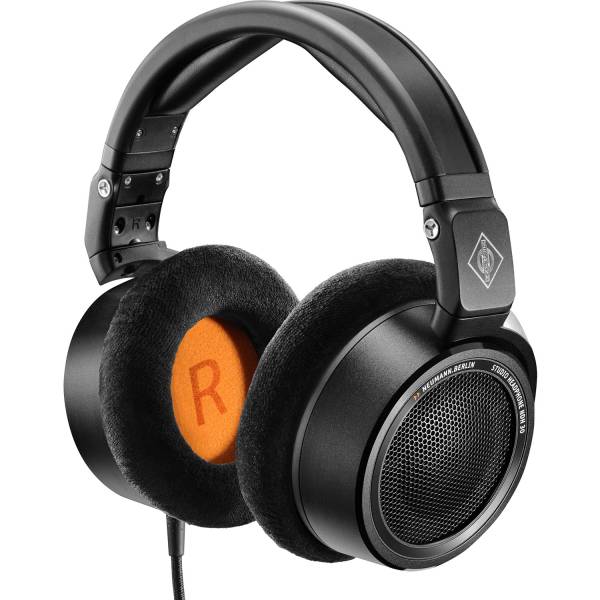
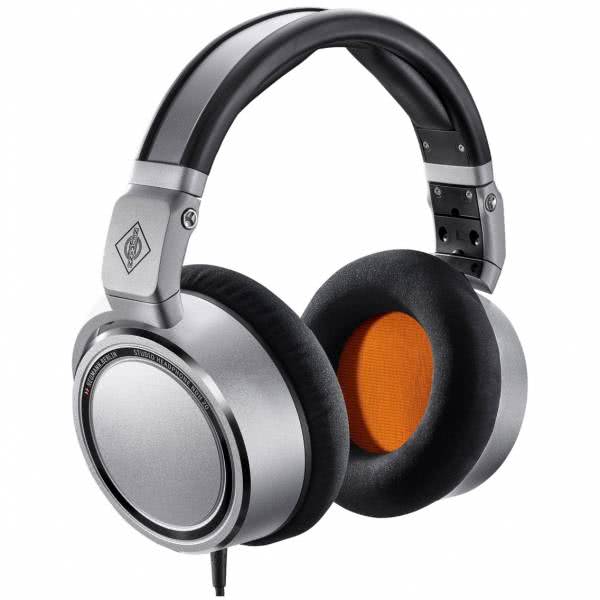
- Neumann: Known for high-end studio microphones, Neumann has also established itself in the headphone segment with the NDH 30. The brand represents uncompromising audio precision and is ideal for users who rely on maximum detail during mixing. The build quality is premium and the design is functional, tailored for studio use.
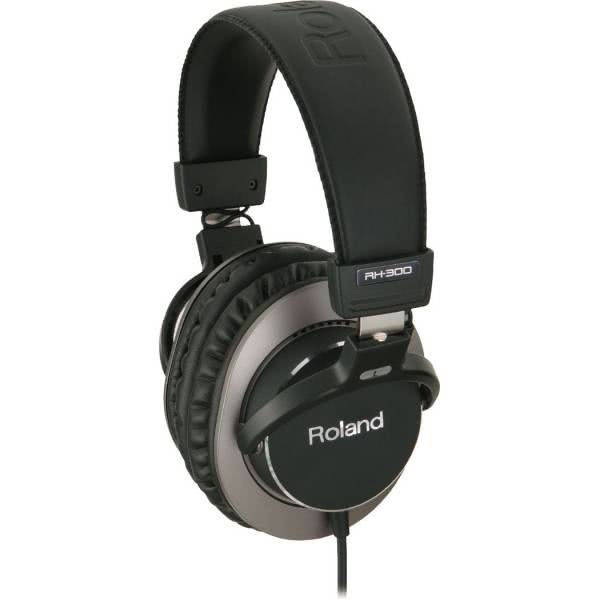
- Roland: Roland’s compact headphones are popular with mobile musicians and for flexible studio sessions. The focus is on light weight, clear sound and direct response. These features are especially useful in the monitoring context.
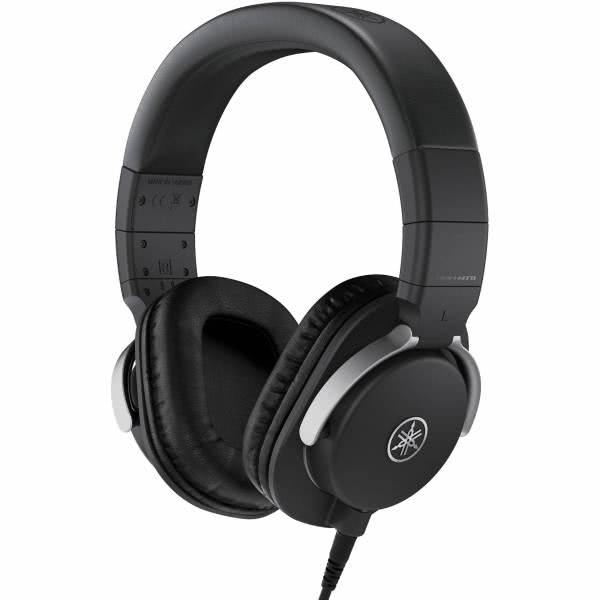
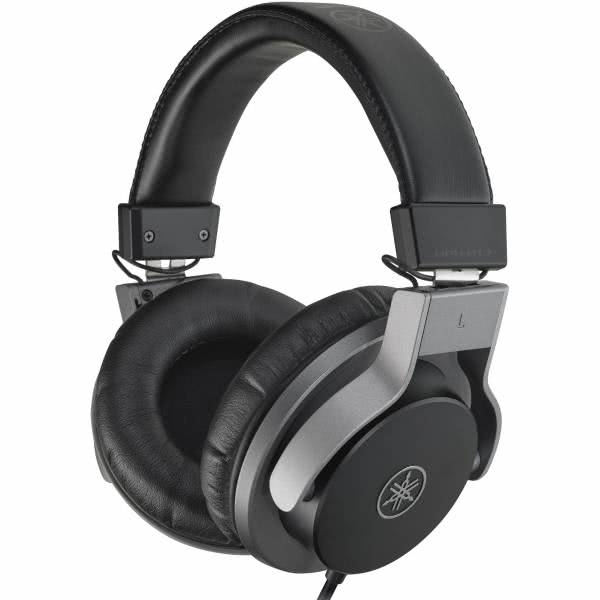
- Yamaha: As a versatile manufacturer of studio and instrument equipment, Yamaha offers headphones with very clear high frequencies and a neutral tuning. Their models suit both beginners and more experienced users seeking an all-round headphone for various tasks.
Frequently Asked Questions about Studio Headphones (FAQ)
Why no Bluetooth headphones for the studio?
Bluetooth headphones may seem convenient at first glance, but they have several decisive drawbacks in studio use. A central issue is latency, the delay between the audio signal and playback. This delay can disrupt timing during recording or monitoring. Also, most wireless models use compressed audio transmission, leading to reduced sound quality. For precise work—such as mixing or evaluating audio details—a wired headphone is the more reliable choice.
How much should you spend?
The price range for studio headphones is wide and depends on sound quality, build and features. Good entry-level models start at around €60–100 and offer a solid foundation for home recording or first mixing experiences. If you work more regularly and demand higher performance, budget €150–300. In this range, you’ll find models with better precision, comfort and durability. Professional studio headphones can cost significantly more, focusing on uncompromising neutrality.
Which is better: open or closed?
The choice between open and closed headphones depends on the specific application.
- Closed-back: Ideal for recording situations because they isolate sound and prevent bleed into the microphone. They also work well for monitoring in noisy environments.
- Open-back: Better suited for mixing and mastering, as they deliver a more natural, airy soundstage. They allow a more nuanced assessment of space and detail in the mix.
If you need both, you should consider getting one model of each design.
Buying Tips for Beginners and Advanced Users
Recommended Models for Different Budgets
When choosing a studio headphone, your budget plays a key role. There are good options for beginners and advanced users that balance sound quality, comfort and build.
- Beginners: Models like the Sennheiser HD 280 Pro or the Yamaha HPH-MT5 provide a solid introduction to studio headphones. They’re robust, offer balanced sound and suit basic recording and monitoring tasks in a home studio.
- Advanced users: If you expect more, consider models like the Neumann NDH 30 or Yamaha HPH-MT8. These headphones deliver greater precision, better isolation and are more comfortable for long sessions. They’re ideal for demanding mixing and in-depth work with audio.
Typical Mistakes to Avoid When Buying
Beginners often make mistakes that are easy to avoid with some preparation:
- Relying solely on well-known brands without testing the sound personally.
- Choosing the wrong impedance that doesn’t match existing equipment, like too weak headphone amps.
- Underestimating comfort, which can cause fatigue during long sessions.
If you choose a headphone that fits your workflow and setup, you’ll avoid disappointments and enjoy better performance in the studio.
The Right Studio Headphone for Your Needs
Your choice of studio headphone depends on the intended use, personal preferences and available equipment. For an informed decision, focus on neutral sound, high comfort and the correct impedance. These factors determine how well you can work with the headphone—whether recording, mixing or monitoring.
Manufacturers like Sennheiser, Neumann, Roland and Yamaha offer proven models for every requirement. Beginners will find reliable all-rounders, while professionals have access to powerful headphones with fine resolution. If you choose consciously and know your demands, you invest in a tool that adds real value to your studio work.