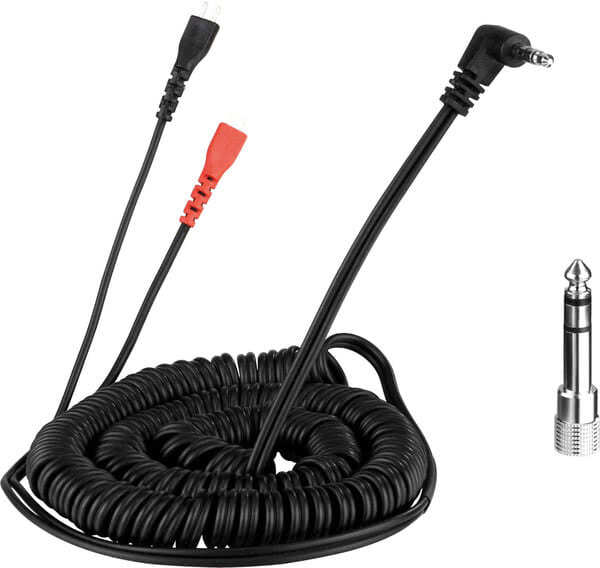
Audio Cables & Connectors
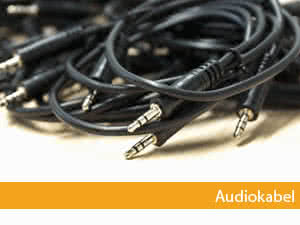
Audio cables and connectors form the basis of every professional signal transmission in the field of DJ equipment. They serve to precisely transmit analog or digital audio signals between devices like DJ controllers, mixers, speakers, or audio interfaces. It’s not only about technical function but also about the quality of materials, cable construction, and connector design.
A well-thought-out cable setup prevents signal loss, minimizes interference sources, and ensures a stable connection for both live and studio use. Especially at live gigs, club sets, or events with high volume and many participants, the stress on the material is enormous. Inferior cables can negatively affect sound quality or, in the worst case, lead to failures or interruptions.
Reliable connection cables with robust insulation, shielded conductors, and professional connectors provide a durable and secure connection. If you are often on the road or regularly perform at events, you should choose durable components that maintain their function even with frequent setup and teardown.
Table of contents
- Overview of different cable types
- Suitable connectors for every application
- Areas of use in everyday DJ work
- What you should consider when choosing
- Popular brands and manufacturers in the shop
- Accessories for cable management and protection
- The right cable for your sound
Average rating of 5 out of 5 stars
Average rating of 4.5 out of 5 stars
Average rating of 4.9 out of 5 stars
Average rating of 5 out of 5 stars
Average rating of 4.3 out of 5 stars
Average rating of 4.5 out of 5 stars
Average rating of 5 out of 5 stars
Average rating of 4.6 out of 5 stars
Average rating of 3.9 out of 5 stars
Average rating of 5 out of 5 stars
Average rating of 4.6 out of 5 stars
Average rating of 4.5 out of 5 stars
Average rating of 4.6 out of 5 stars
Average rating of 5 out of 5 stars
Average rating of 4.6 out of 5 stars
Average rating of 4.5 out of 5 stars
Average rating of 3 out of 5 stars
Average rating of 5 out of 5 stars
Overview of different cable types
RCA cables
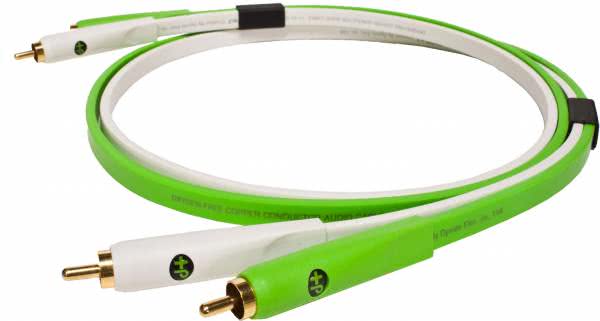
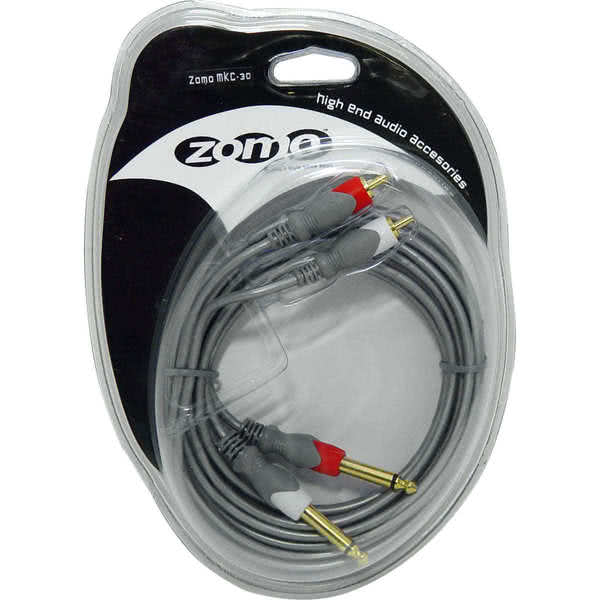
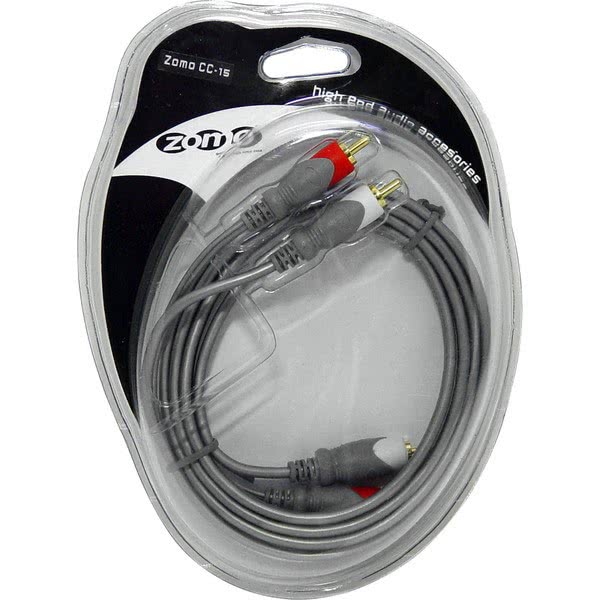
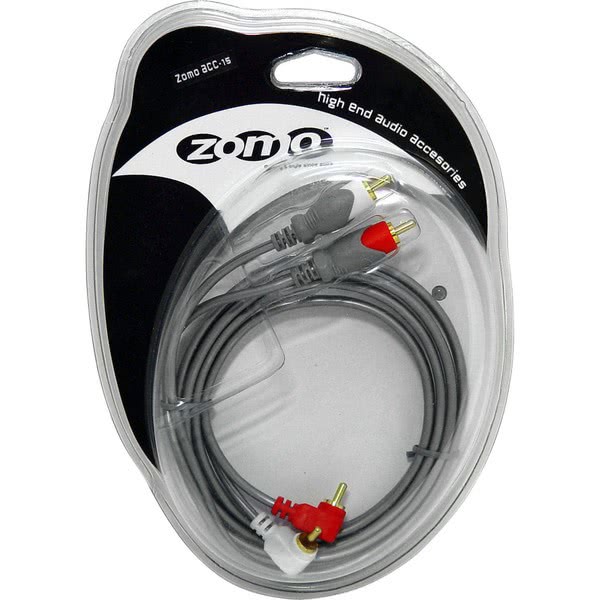
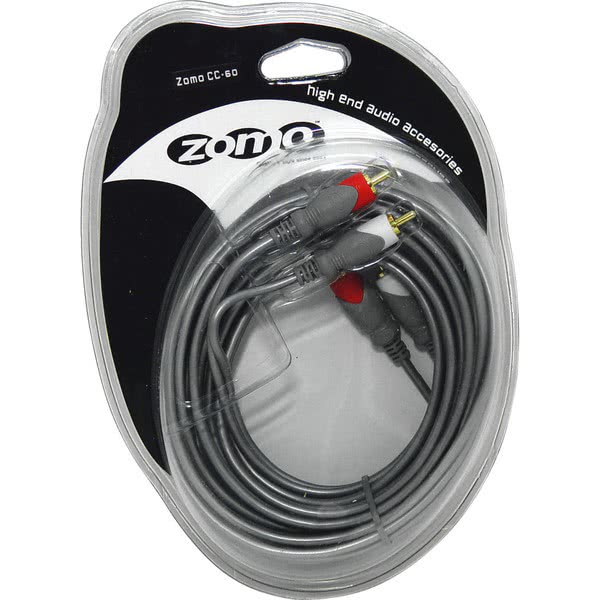
RCA cables, also known as phono cables, are among the most commonly used connection cables in DJ equipment. They transmit an analog stereo signal over two separate lines, usually color-coded red and white. Especially for connecting DJ mixers with CD players, turntables, or audio interfaces, RCA cables are the first choice. Due to their resistance to interference over short distances, they are excellent for stationary setups in home studios or clubs.
XLR cables
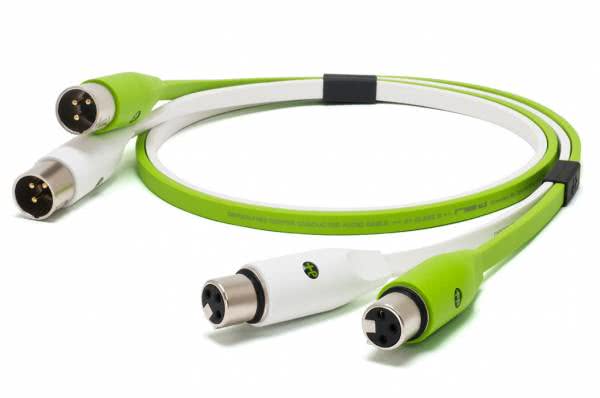
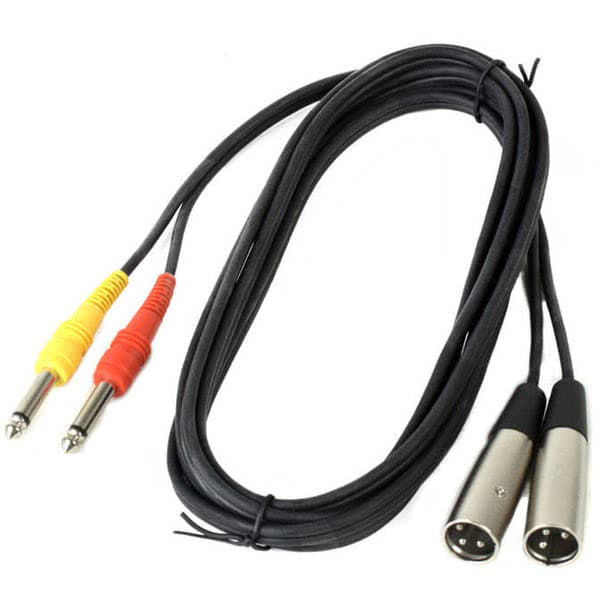
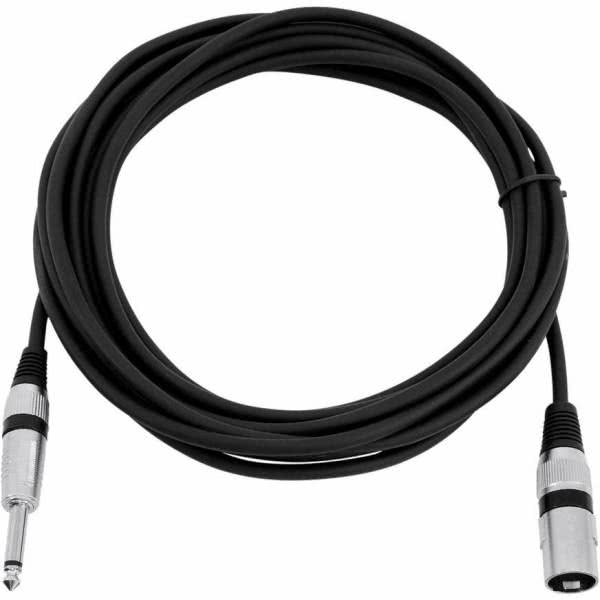
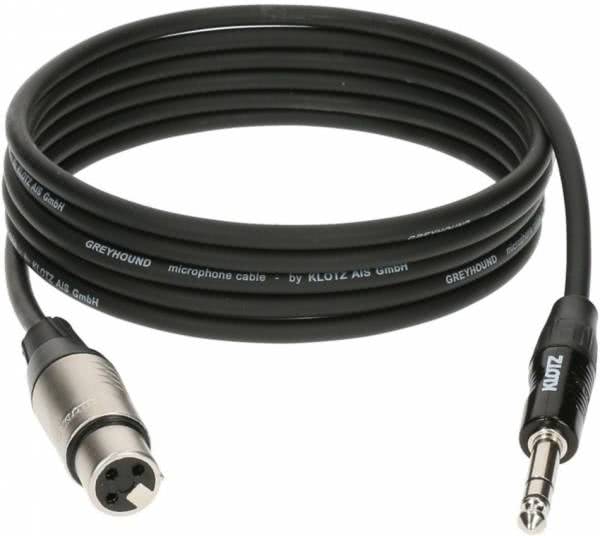
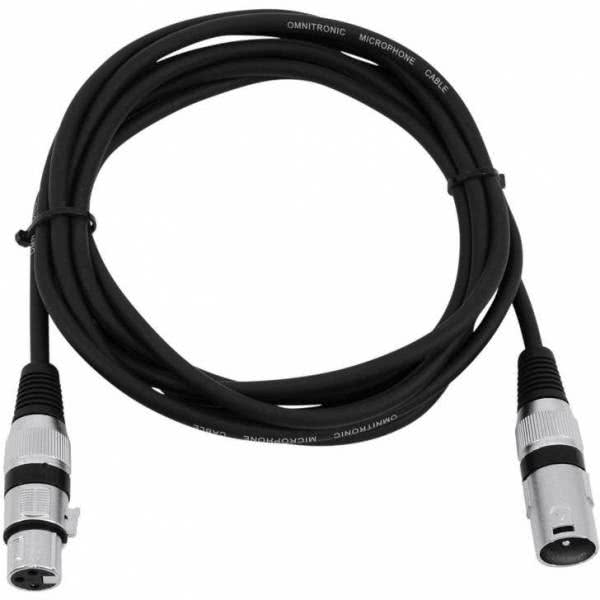
XLR cables are designed for professional applications requiring clean, balanced signal flow. Their three-pin structure provides excellent protection against electromagnetic interference and noise. XLR cables show their strengths particularly over long distances—such as between mixer and PA amplifier. They are indispensable in live environments and recording studios. Additionally, they are extremely robust, making them ideal for frequent setup and teardown.
Jack cables (6.3 mm and 3.5 mm)
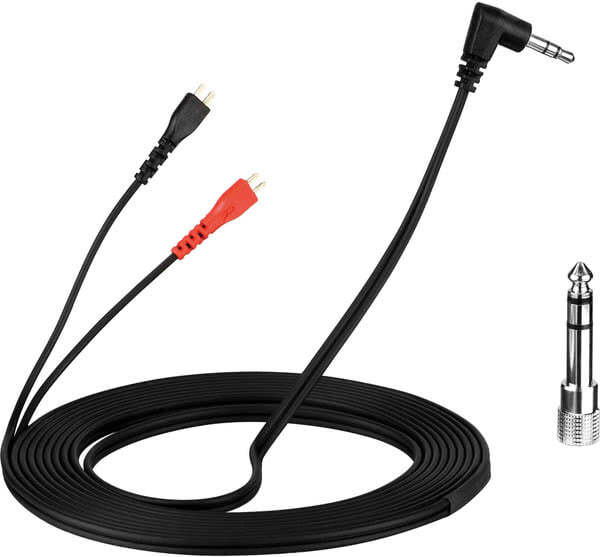
Jack cables are very versatile and come in different versions: 6.3 mm for professional line or monitor outputs and 3.5 mm for typical consumer devices like headphones or smartphones. They exist in mono or stereo forms, making them suitable for various audio connections. DJs use jack cables to connect drum machines, synthesizers, or effect units. Their compact design fits well in tight racks and setups with limited space.
Speakon cables
Speakon cables are specially designed for connecting powerful speakers to amplifiers. They feature secure, locking connectors and transmit high power without loss. Speakon is the preferred choice for PA systems, monitor speakers, or large-scale sound installations. Their robust construction protects against contact loss and ensures long-lasting connections, even under extreme touring conditions.
Digital audio and USB cables
In modern DJ setups, digital audio connections are indispensable. USB cables for connecting DJ controllers to laptops or digital interfaces like S/PDIF or AES/EBU transmit signals losslessly and with low latency. USB audio cables come in different qualities—high-end versions feature gold-plated contacts, braided shielding, and extra shielding to minimize data loss. When integrating digital devices, you should pay special attention to signal stability in cable management.
Suitable connectors for every application
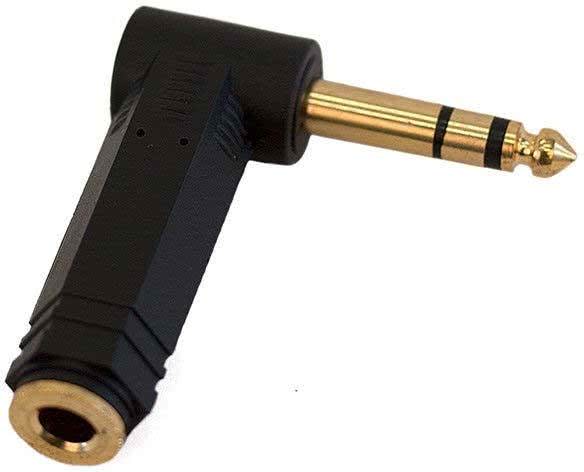
Choosing the right connector type is often underestimated but crucial for a reliable DJ setup. Straight or angled connectors—the form should match both your equipment and the available space. Angled versions offer advantages in tight spaces, such as racks or compact DJ setups, and reduce mechanical stress on sockets. This protects the equipment and prevents cable damage.
High-quality audio connectors from brands like Zomo and Klotz have established themselves in the professional field. These manufacturers stand for durable, well-made connectors with effective strain relief and corrosion-protected contacts. Such features are especially demanded in live use, where fast plug cycles and high stress are common.
Adapters are essential when different devices with incompatible connection formats must be linked. A well-thought-out range of audio adapters is therefore standard for many DJs. In the studio, on stage, or at mobile gigs—flexibility is key.
Typical adapter variants:
- XLR to jack
- RCA to mini jack
- USB to MIDI
- Jack to RCA
Areas of use in everyday DJ work
In practice, it quickly becomes clear that cables and connectors are not universally applicable. Depending on setup and environment, specific requirements apply to signal transmission. If you work in a club, on stage, or in a studio, you should select cable types that ensure stable and high-quality signal flow for each use case.
| Application | Recommended cable types |
| DJ controller to mixer | RCA, jack, USB |
| Mixer to PA system | XLR, Speakon |
| Audio interface to laptop | USB, FireWire |
| Studio setup with monitor speakers | Jack, XLR |
Connecting a DJ controller to a mixer typically uses RCA or jack connections. Lossless transmission is important here, especially for short signal paths, as common in booth environments.
When connecting to a PA system, XLR cables are the first choice, as they transmit balanced signals and thus provide shielding against interference. For the connection between amplifier and speaker, Speakon cables are indispensable due to their robust design and locking mechanism.
In modern setups, the audio interface is often connected directly to the laptop. Stable, shielded USB cables are essential here, especially with high data load and low latency. FireWire is less common today but still plays a role with older interfaces.
In the studio setup, the focus is on transparency and interference-free transmission. XLR and jack cables are used for connecting monitor speakers, audio interfaces, or effect devices. Cable routing should be neat and well-organized to avoid signal loss and ground loops.
What you should consider when choosing
Choosing the right cable is crucial for a reliable and strong-sounding DJ setup. Several factors play a role, weighted differently depending on application and environment. As a rule: the higher the component quality, the fewer interference sources or signal losses occur.
- Cable length: Avoid unnecessarily long cables, as they can cause potential faults. Short connection cables reduce the risk of interference and ensure clear signal flow. Longer distances require additional shielding and signal stability considerations.
- Shielding: Good electromagnetic shielding protects audio signals from interference caused by power cables, radio signals, or other electronic devices. This is essential in clubs or festivals with many technical systems running in parallel for clean transmissions.
- Connectors: The quality of connectors directly influences durability and sound. Look for stable contacts, solid housings, and good strain relief. Brands like Zomo offer high standards for professional use.
- Conductor material: The cable core is as important as the outer jacket. High-quality cables use pure copper or oxygen-free copper (OFC) for lossless transmission. Construction details (e.g., stranded wire, insulation) also affect sound quality.
Popular brands and manufacturers in the shop
Choosing a high-quality cable manufacturer directly affects the reliability and sound quality of your DJ setup. The shop offers many established brands with various strengths and areas of use. Whether you set up a studio, perform as a live DJ, or use a flexible home setup—the selection is versatile and practical.
- Zomo offers practical solutions for DJs looking for cables as well as suitable transport and organization products. The brand is known for well-designed accessories tailored to the mobile DJ routine. Zomo cables feature robust construction and reliable signal transmission.
- Omnitronic provides an attractive range in the budget segment. If you need DJ cables for hobby use, smaller events, or home studios, you will find suitable products here. The items are functional, durable, and optimized for many standard DJ applications.
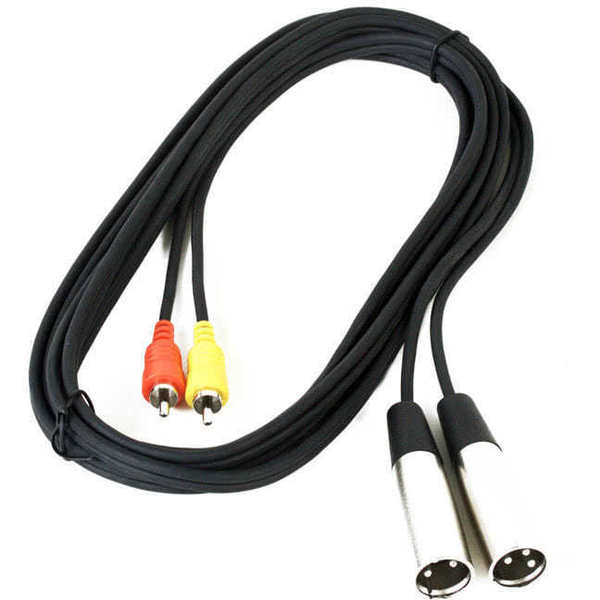
- Klotz has an excellent reputation in the industry. Their cables stand for professional audio quality and are used worldwide in many studios and tours. Thanks to precise manufacturing and high-quality materials, Klotz cables offer excellent signal stability.
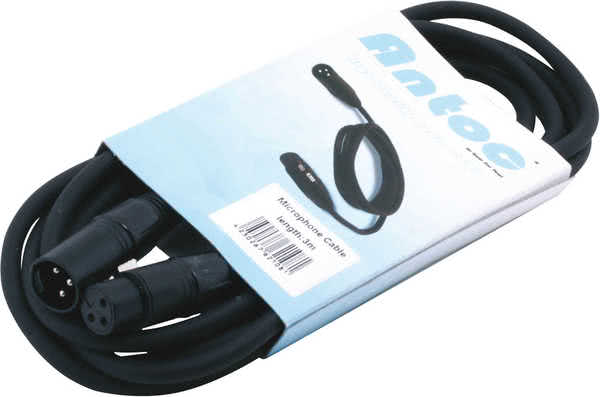
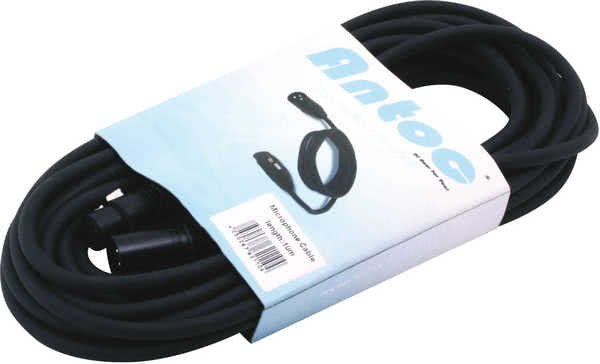
- Antoc is a brand specializing in affordable but technically solid audio cables. The products are particularly suitable for beginners, rehearsal rooms, or budget-conscious use. Despite the low price, Antoc convinces with stable connectors and practical construction.
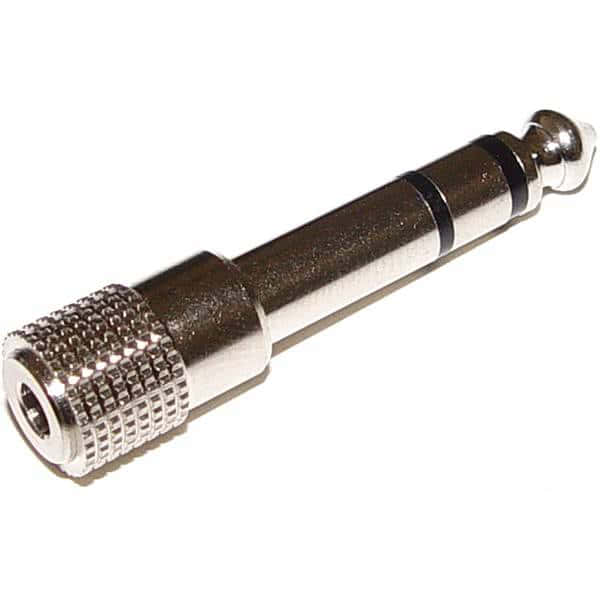
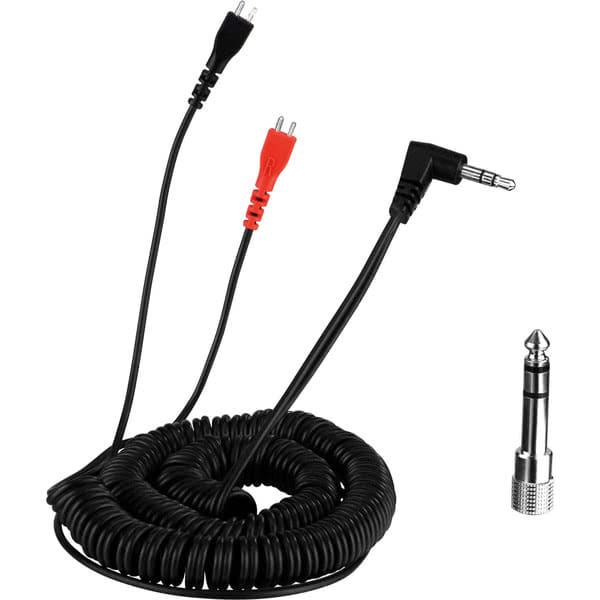
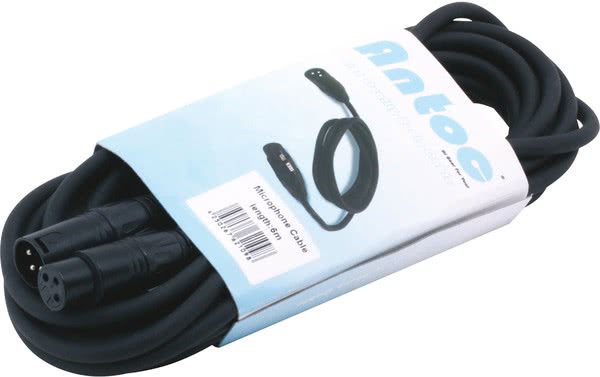
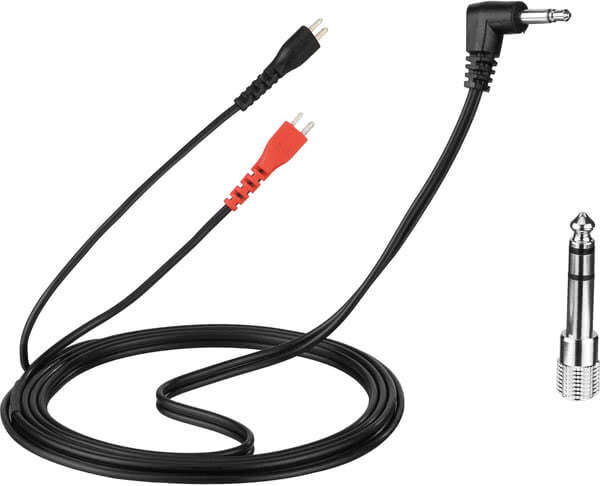
![]() | ![]() | ![]() | ![]() | |
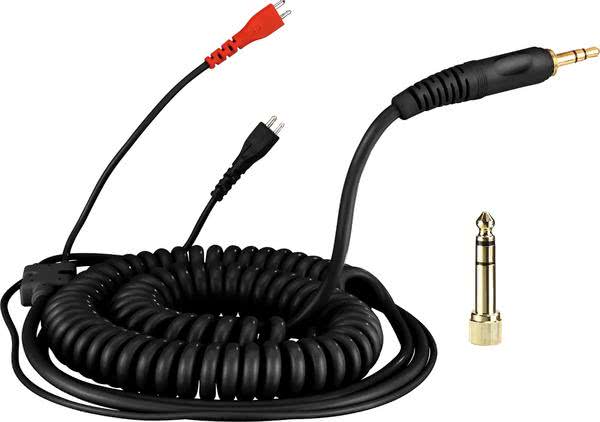
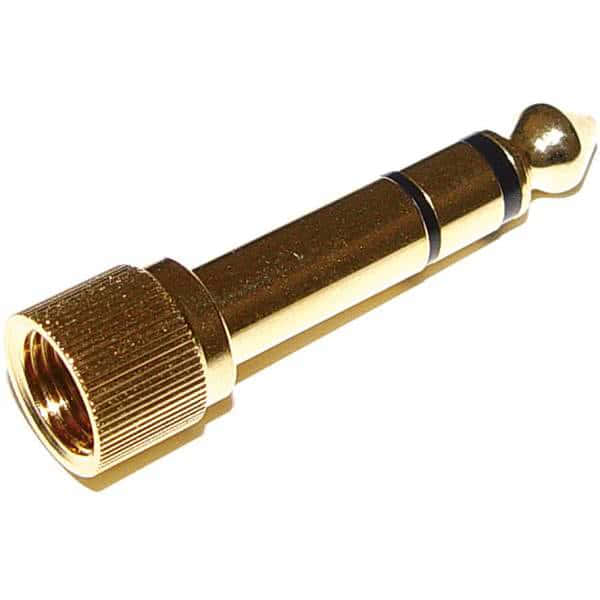
| Model | Zomo KA-2 | Omnitronic MC-30 | Klotz AT-CC0100 | Antoc XLR-6 |
| Price | 6 € | 19 € | 12.86 € | 12 € |
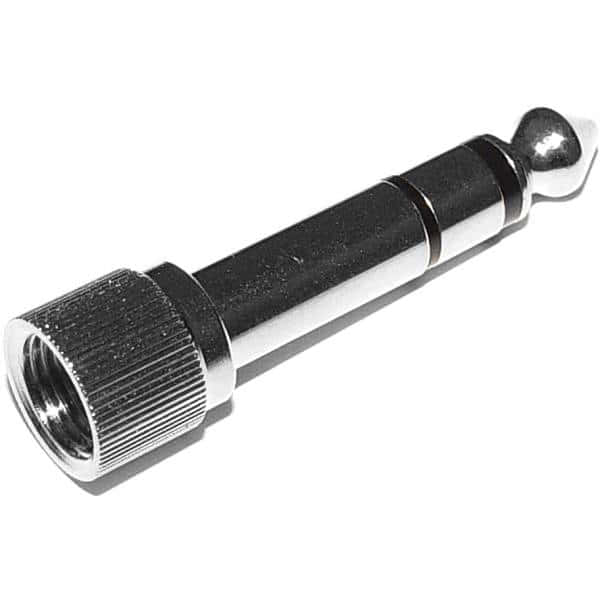
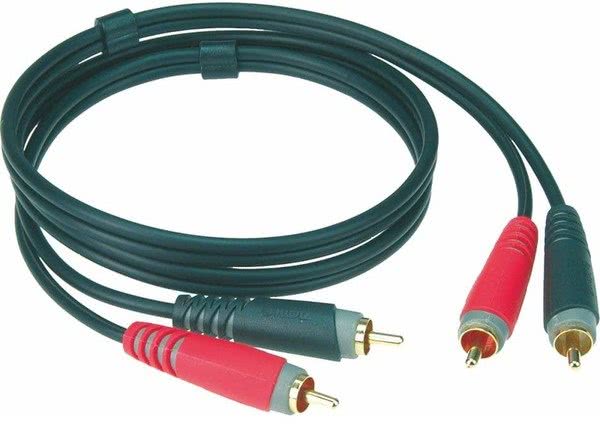
| Connector A | 3.5 mm jack (male) | XLR (female) | RCA | XLR (female) |
| Connector B | 6.3 mm jack (female) | XLR (male) | RCA | XLR (male) |
| Cable length | Adapter | 3 m | 1 m | 6 m |
| Conductor material | n.a. | 2× 0.22 mm² shielded | PCU201-Z | n.a. |
| Contact material | Nickel-plated | Metal housing | 24K gold-plated | n.a. |
| Special features | Stereo, compact, durable adapter | Flexible, high shielding, rugged | Gold-plated contacts, built-in strain relief | Affordable, 6 m length |
Accessories for cable management and protection
A well-thought-out cable management is not just a matter of appearance but crucial for the longevity and reliability of your equipment. Especially for mobile use or frequently changing setups, order pays off: less cable clutter means faster setup and teardown, less risk of loose contacts, and a safe working environment on stage.
The most important helpers include:
- Velcro cable ties: These reusable helpers allow quick and flexible bundling of cables. Particularly practical for transport or temporary setups.
- Cable ramps: Essential for live use to make cable routes on stages or event locations safe and trip-free. They protect cables from damage and ensure operational safety.
- Bags & cases: For secure transport and organized storage of audio cables. Particularly valuable for larger setups or tours. Models with separate compartments make quick finding easier.
- Color markings: Heat shrink tubing, adhesive tapes, or clips—color coding helps with fast routing on dark stages or complex cabling in the studio.
The right cable for your sound
A well-thought-out cable concept is more than just a technical detail—it is the basis for an interference-free and professional DJ setup. Choosing high-quality audio cables and matching connectors has a direct impact on sound quality, operational reliability, and flexibility of your equipment.
On tour, in the studio, or in the club: the connection between your devices must always work reliably. Rely on robust cables that are mechanically durable and optimally shielded. High-quality materials such as pure copper, sturdy connector housings, and careful manufacturing guarantee long-lasting performance—regardless of the area of use.
If you work regularly with different setups or are a mobile DJ, you should invest in durable, practice-proven products. Brands like Klotz, Omnitronic, or Zomo offer solutions tailored exactly to the requirements of DJs and music creators.


Recordcase.de
Zomo
Antoc
Omnitronic
Klotz