
Pianos and Keyboards: Your Gateway to Musical Creativity
 Whether you're a beginner taking your first steps into the world of music or an experienced professional looking to upgrade your studio, you'll find what you're looking for here. In our "Pianos and Keyboards" category, you'll discover everything from entertainer keyboards and digital pianos to arranger keyboards and acoustic pianos.
Below, you'll find a concise buying guide and valuable tips to help you in choosing your next keyboard.
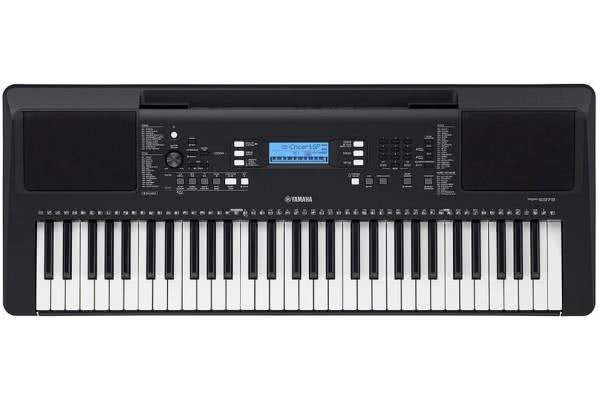
Entertainer Keyboards: Everything You Need in One Device
Are you searching for a keyboard that provides you with the versatility to bring your musical ideas to life?
Then an entertainer keyboard might be just what you need.
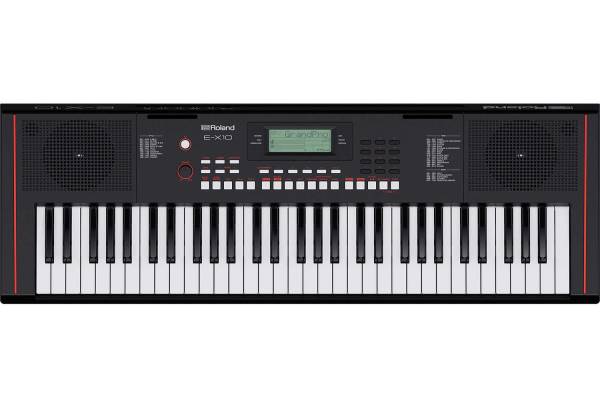
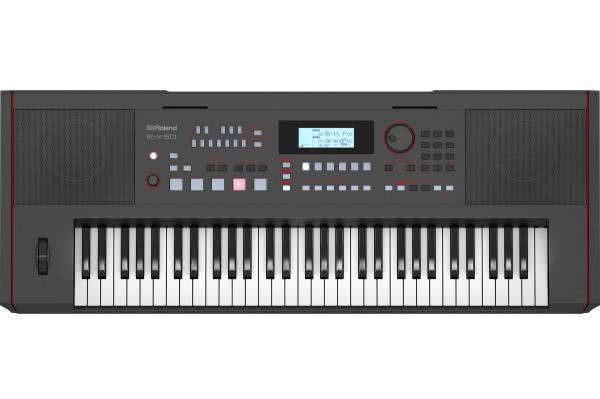
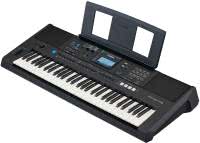 These all-in-one instruments offer rhythms, accompaniments, and a variety of sounds, making them the perfect choice for those seeking versatility. With an entertainer keyboard, you essentially have a complete band at your fingertips. So, if you want to expand your musical abilities or find the perfect sound for your next performance, such a keyboard could be just right for you.
A tip for selecting the right entertainer keyboard: Pay attention to the number of sounds and rhythms available, as well as the keyboard's quality. The higher the number of sounds and rhythms, the more versatile the instrument. A well-built keyboard with touch-sensitive keys also enhances the playing experience and your musical enjoyment.
Pros and Cons of Entertainer Keyboards
Pros:
- Versatility: With a wide range of sounds and rhythms, you can cover almost any music style.
- Portability: They are lightweight and compact, making them ideal for mobile use.
- Easy operation: Many models are particularly user-friendly, making them suitable for beginners as well.
Cons:
- Limited control: Compared to other keyboards, the possibilities for sound and effect manipulation may be limited.
- Sound quality: Some models may compromise on sound quality in order to offer a high number of sounds.
Top models and manufacturers
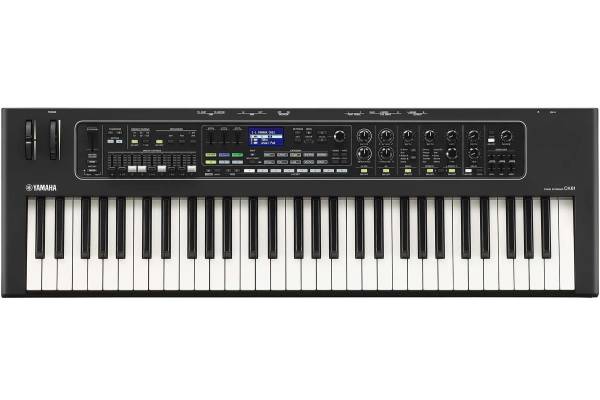
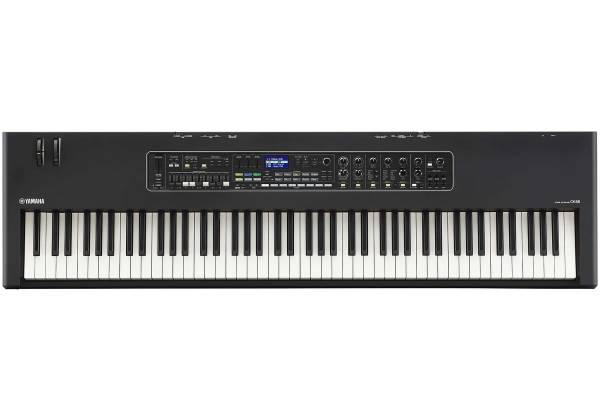
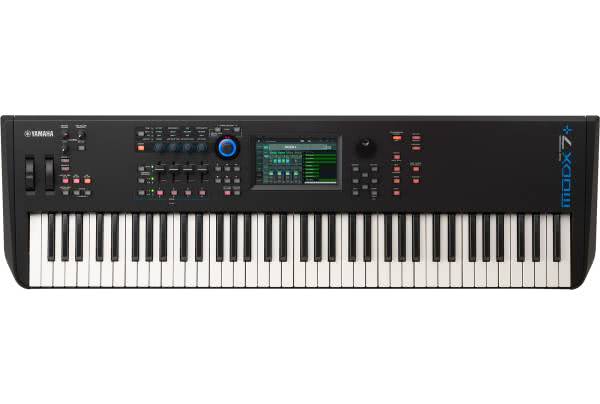
- Yamaha PSR-SX Series: Yamaha is known for its reliable and high-quality keyboards. The PSR-SX Series offers a variety of sounds and accompaniment styles.
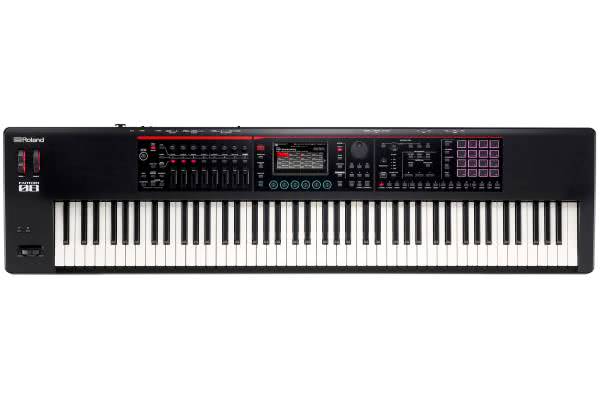
- Roland BK Series: The BK Series by Roland is renowned for its sound quality and versatility.
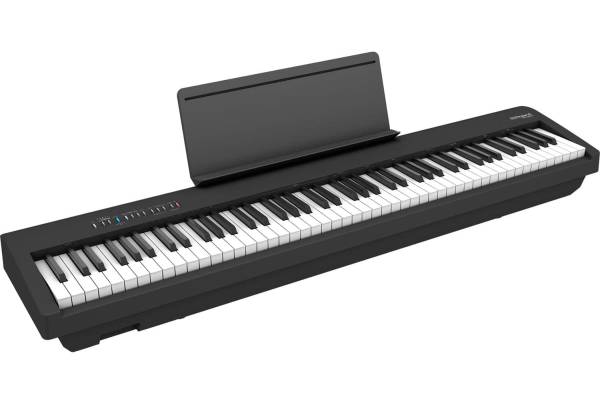
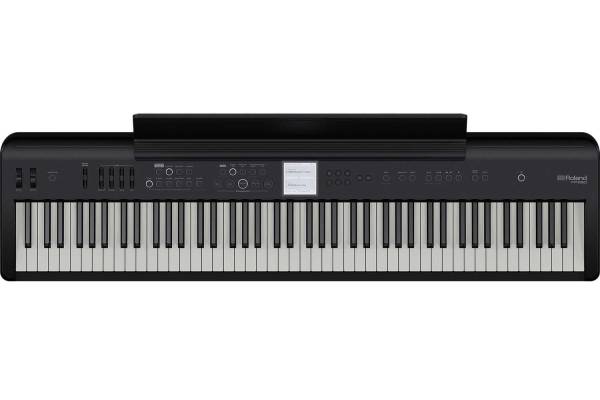
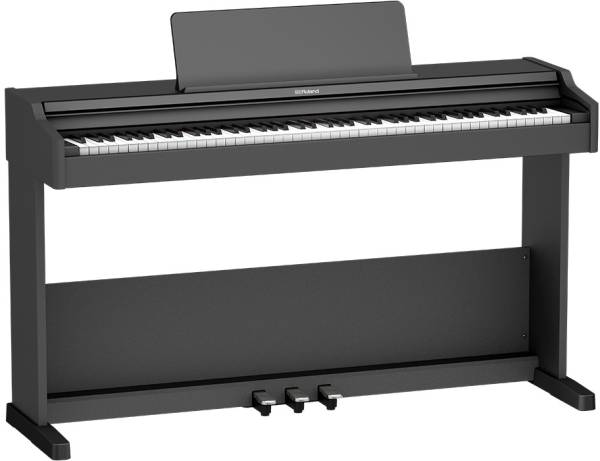
E-Pianos: The Sound of an Acoustic Piano, the Advantages of Digital
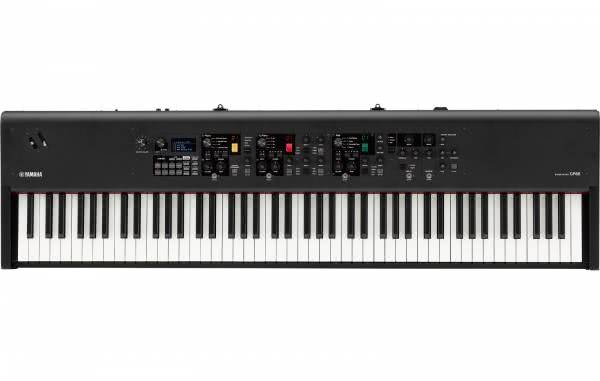
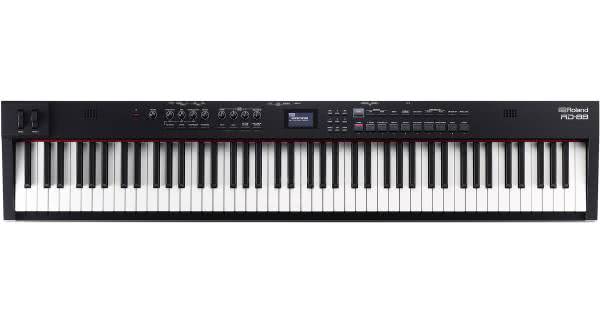
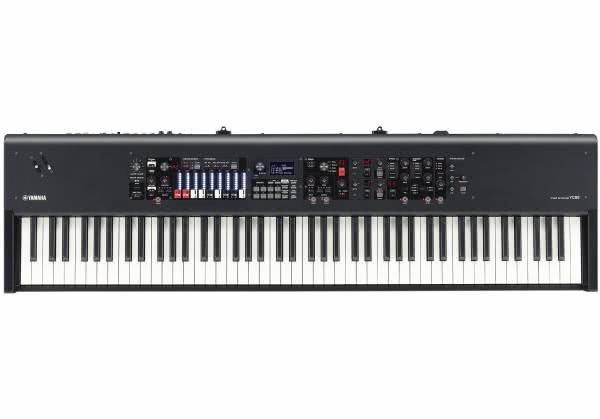
 You love the sound and playing experience of an acoustic piano, but you lack the space or the ability to have one at home? Then an E-piano could be the solution for you. E-pianos offer the sound and feel of an acoustic piano, combined with the versatility and convenience of a digital instrument. They are ideal for practicing, studio recordings, or live performances.
When purchasing an E-piano, there are a few things to consider. Firstly, the quality of the samples, which are the digitally recorded sounds, plays a significant role in the overall sound of the E-piano. Secondly, the keys should be weighted and touch-sensitive to create the most authentic playing experience.
If you love the warm and rich sound of an acoustic piano but appreciate the advantages and convenience of a digital instrument, then an E-piano is the perfect choice for you.
Pros and Cons of E-Pianos
Pros:
- Realistic sound: E-pianos offer high-quality sampled sounds of real acoustic pianos.
- Touch-sensitive keys: They simulate the playing experience of a real piano.
- No maintenance: Unlike acoustic pianos, E-pianos do not require tuning and are generally maintenance-free.
Cons:
- Sound quality: Although E-pianos provide high-quality sounds, they may not fully replicate the full spectrum and depth of a real piano.
- Weight: E-pianos are typically heavier than other types of keyboards, making them less portable.
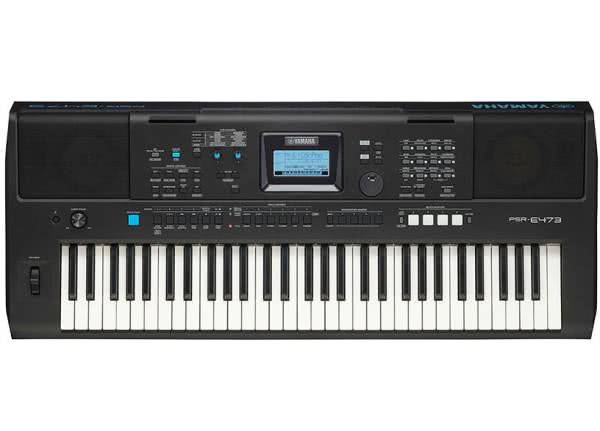
Arranger Keyboards: Your Personal Music Producer
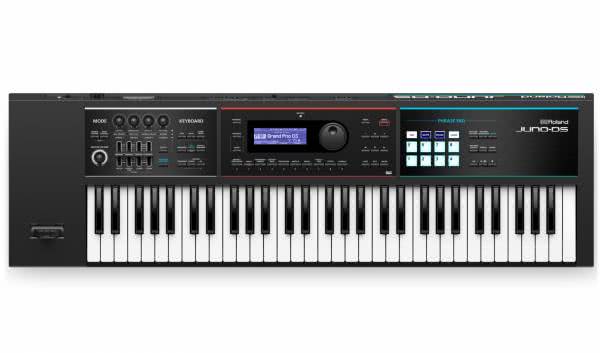
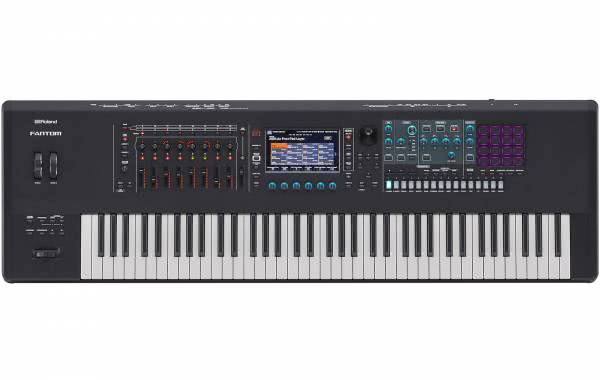
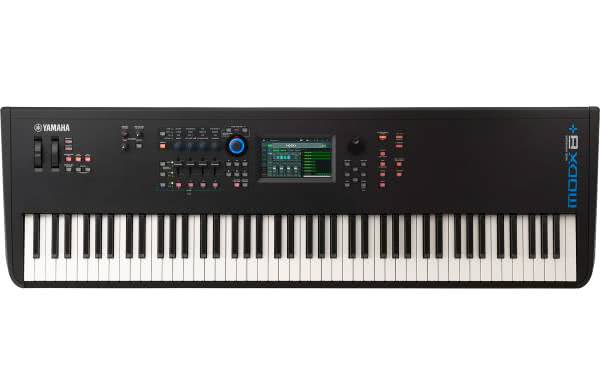
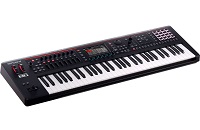 If you're looking for more than just a keyboard, then arranger keyboards might be right for you. They combine a high-quality keyboard with a variety of music production features. Arranger keyboards can incorporate synthesizers, samplers, and sequencers into one device, making them the ultimate choice for producers and advanced musicians. They serve as a complete musical tool that allows you to compose and record full songs.
When choosing an arranger keyboard, it's important to consider the number and quality of available sounds, as well as the capabilities for editing and arranging those sounds. A good arranger should also provide an intuitive user interface and a wide range of connectivity options.
Pros and Cons of Arranger Keyboards
Pros:
- Versatility: Arranger keyboards offer a wide range of sounds and styles, making them a highly versatile instrument.
- Recording capabilities: Many arranger keyboards have built-in sequencers or recorders for capturing your music.
- Built-in accompaniment: With this feature, you can play solo and still have a complete band backing you up.
Cons:
- Complexity: Due to their many features and adjustment possibilities, arranger keyboards can initially be overwhelming.
- Size and weight: They are often larger and heavier than other keyboards, making them less portable.
Top models and manufacturers
- Yamaha PSR-SX Series: The PSR-SX Series by Yamaha is known for its excellent sound quality and versatility.
- Korg Pa Series: Korg is another top manufacturer in the field of arranger keyboards. The Pa Series offers an impressive number of sounds and styles.
Pianos: The Classic Among Keyboard Instruments
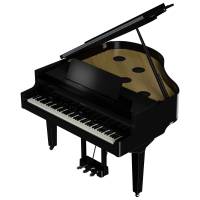 Pianos are the kings of keyboard instruments. They offer a distinctive, rich, and warm sound found in nearly every genre of music.
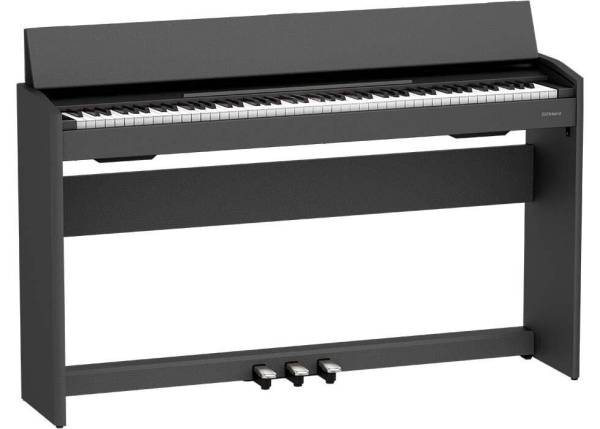
In our selection, you'll find both acoustic and digital pianos, depending on your individual needs and preferences.
Pros and Cons of Pianos
Pros:
- Sound quality: Pianos provide unparalleled sound quality unmatched by any other keyboard instrument.
- Playing experience: The playing experience of a real piano is unique and cannot be fully replicated by any keyboard or digital piano.
- Durability: Pianos are built to last and can endure for multiple generations with proper care.
Cons:
- Size and weight: Pianos are large and heavy, making them difficult to transport.
- Maintenance: Pianos require regular tuning and maintenance, which can incur additional costs.
Top models and manufacturers
- Yamaha U Series: The U Series by Yamaha offers excellent sound quality and is known for its durability.
- Roland GP Series: With their compact dimensions and good value for money, these pianos will impress you.
Which keyboard should I buy?
The decision of which piano to buy depends on your individual needs, budget, and musical background. Here are some factors to consider:
- Your experience: If you're a beginner, a digital piano can be a good choice as they often have built-in learning tools and features. If you already have experience and are looking for a more authentic sound, an acoustic piano may be the better choice.
- Your budget: Acoustic pianos are often more expensive than digital pianos. If your budget is limited, you could start with a digital piano and later transition to an acoustic one.
- Your space: Acoustic pianos are large and heavy, requiring a stable and well-ventilated space. Digital pianos are usually more compact and easier to transport.
- Your musical style: Different pianos produce different sounds. Some are better suited for classical music, while others are more suitable for jazz or pop. Consider the style of music you want to play and choose a piano that supports that style well.
Here is a concise table outlining the pros and cons of each keyboard and piano type:
| Type | Pros | Cons |
|---|---|---|
| Entertainer Keyboards |
|
|
| E-Pianos |
|
|
| Arranger Keyboards |
|
|
| Acoustic Pianos |
|
|
What are the main differences between a piano and a keyboard?
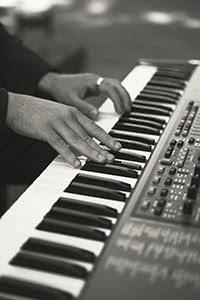 Pianos and keyboards are two different types of keyboard instruments, each with their unique characteristics.
A piano, whether acoustic or digital, is primarily designed to replicate the sound and playing experience of a traditional acoustic piano. Acoustic pianos produce their sound through the physical process of a hammer striking a string, resulting in natural resonances and nuances that are challenging to fully replicate digitally. Digital pianos, on the other hand, use advanced sampling technologies to emulate the sound of an acoustic piano as accurately as possible, but they also offer additional benefits such as the ability to connect headphones, choose different sounds, or even connect to a computer.
A keyboard, on the other hand, is generally much more versatile. Keyboards can emulate hundreds or even thousands of different sounds and instruments, from pianos and organs to strings, brass, and synthesizers. Many keyboards also have accompaniment features and built-in learning tools, making them ideal for beginners. However, the playing experience on a keyboard may be less authentic as the keys are often less weighted compared to a piano.
How do I choose the right keyboard or piano for a beginner?
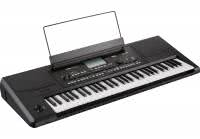 The choice of the right keyboard or piano for a beginner depends on various factors, including budget, space requirements, musical goals, and interests.
If budget is a significant factor, a keyboard is often the more affordable choice. Keyboards are also more portable and require less space, making them ideal for individuals with limited living space or those who need to transport their instrument frequently.
For beginners who are interested in exploring a variety of music styles or who may not yet know their preferred style, a keyboard with its range of sounds and rhythms offers great flexibility. Many keyboards also have built-in learning features that can assist beginners in learning the fundamentals of playing the piano.
A digital piano can be a good choice if the beginner is seeking a more realistic playing experience and a sound that comes closer to that of an acoustic piano. Digital pianos often have weighted keys that simulate the feel of an acoustic piano, and they use high-quality samples to produce a realistic piano sound.
In the end, the choice should be based on the instrument that inspires the beginner to practice regularly and further develop their musical skills.
Which types of keyboards are best suited for electronic music production?
Electronic music production often requires a high level of flexibility and control over sound. Therefore, certain types of keyboards are better suited to meet the complex and versatile demands of this music genre.
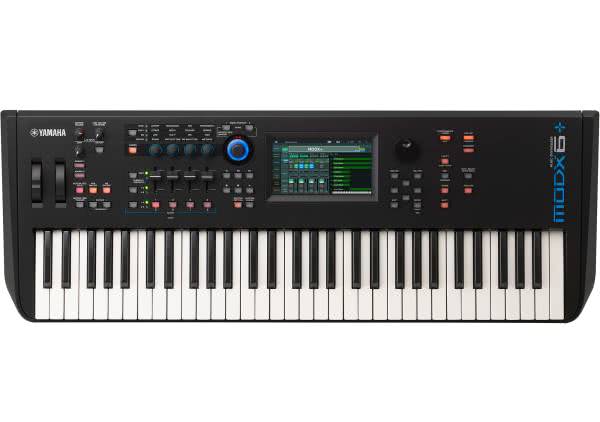
- Synthesizer keyboards are ideal for electronic music production. They offer a wide range of sound synthesis capabilities that allow you to create your own unique sound. With a synthesizer, you can manipulate the waveform, filters, and envelopes of your sound to create everything from deep bass to ethereal pads and cutting leads.
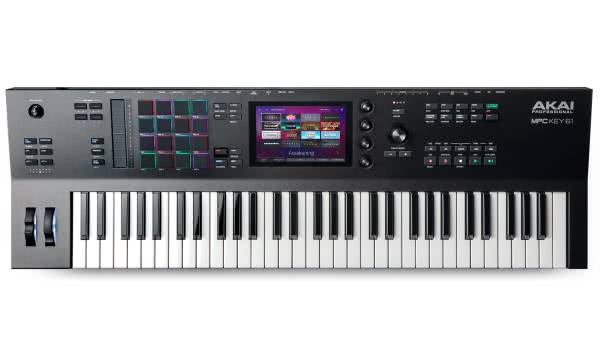
- MIDI controller keyboards are another good choice. They don't produce their own sound but send MIDI data to your computer, where you can use it with a DAW (Digital Audio Workstation) and software synthesizers or samplers. MIDI controllers often provide a variety of controls such as pads, knobs, and faders, allowing you to control your software instruments and effects in real-time.
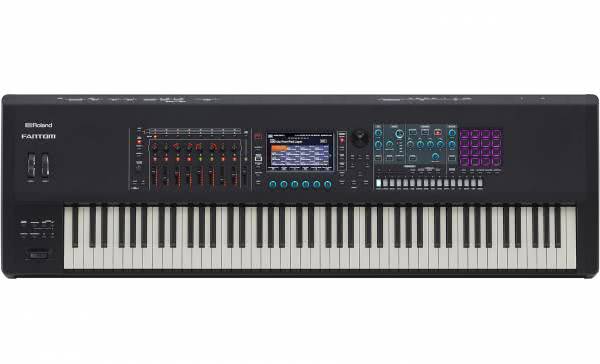
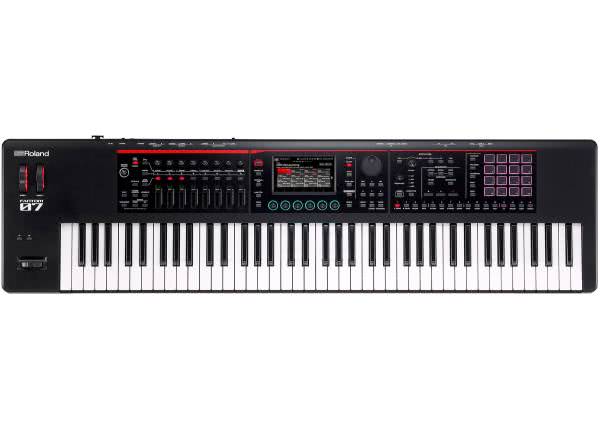
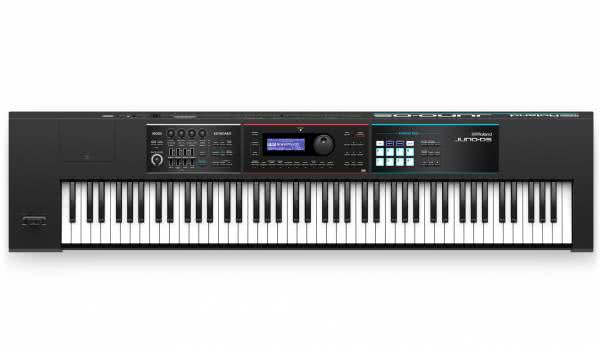
- Workstation keyboards are a type of all-in-one solution that offers a variety of sounds and accompaniments, a built-in recording system, and often a complete DAW. They can be a good choice if you want a complete production workflow in a single instrument.
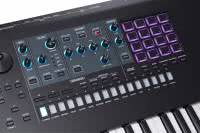 If you're focused on playing and programming beats, you might also consider a pad controller keyboard. These devices feature velocity-sensitive pads that are ideal for playing drums and sequencing rhythms.
Brands like Yamaha, Roland, Korg, and AKAI offer a variety of options in each of these categories, so you're sure to find something that suits your musical goals and budget. Remember that the best instrument for you is the one that encourages your creativity and allows you to produce the sound you envision.
What features should I consider when choosing a keyboard for live performances?
For live performances, there are several important features and factors to consider when choosing a keyboard:
-
Sound Quality: High sound quality is essential for live performances. Look for a keyboard with high-quality sounds that work well in a live environment. Some keyboards have special live modes that optimize settings for optimal performance on stage.
-
User-Friendliness: In a live situation, you need to be able to quickly access different settings and sounds. A keyboard with a well-organized control panel and easy-to-navigate menus can make a big difference here.
-
Versatility: A good live keyboard should offer a wide range of sounds and features to cover various musical situations. Consider whether you need features like layering and splitting to play multiple sounds simultaneously, or if built-in effects or accompaniments could be useful for your performance.
-
Portability: If you perform regularly and need to transport your instrument, a lightweight and portable keyboard is a wise choice. Keep in mind that a smaller, more compact model may have fewer keys than a larger one.
-
Durability: Since live performances often involve a lot of wear and tear, choose a keyboard that is robust enough to withstand the demands of touring life.
-
Connectivity Options: Check if the keyboard has the necessary connections to integrate into the sound system you or the venue will be using. This could include USB, MIDI, audio outputs, and perhaps even an XLR output for direct connection to a PA system.
Manufacturers like Yamaha, Roland, and Korg offer a variety of keyboards suitable for live performances that provide these features.